
Introduction: when RFID technology transforms modern retailing
Global retail is undergoing a profound technological transformation driven by process digitisation, omni-channeling and the need for increasingly accurate inventory management. In this new paradigm, technologies such as RFID (Radio Frequency Identification) have become a key enabler to improve inventory visibility, optimise operations and deliver a more efficient shopping experience.
One of the most recent examples of this technological evolution has been documented by RFID Journal, one of the world’s most influential publications in the field of radio frequency identification.
In an article published on 6 March 2026, RFID Journal featured the case study “Kyubi System Powers Party Fiesta‘s Leap into Retail 4.0″, which analyses how Party Fiesta, Europe’s largest chain specialising in party and fancy dress items, has implemented a complete RFID ecosystem developed by Kyubi System to transform inventory management at its flagship store in Barcelona.
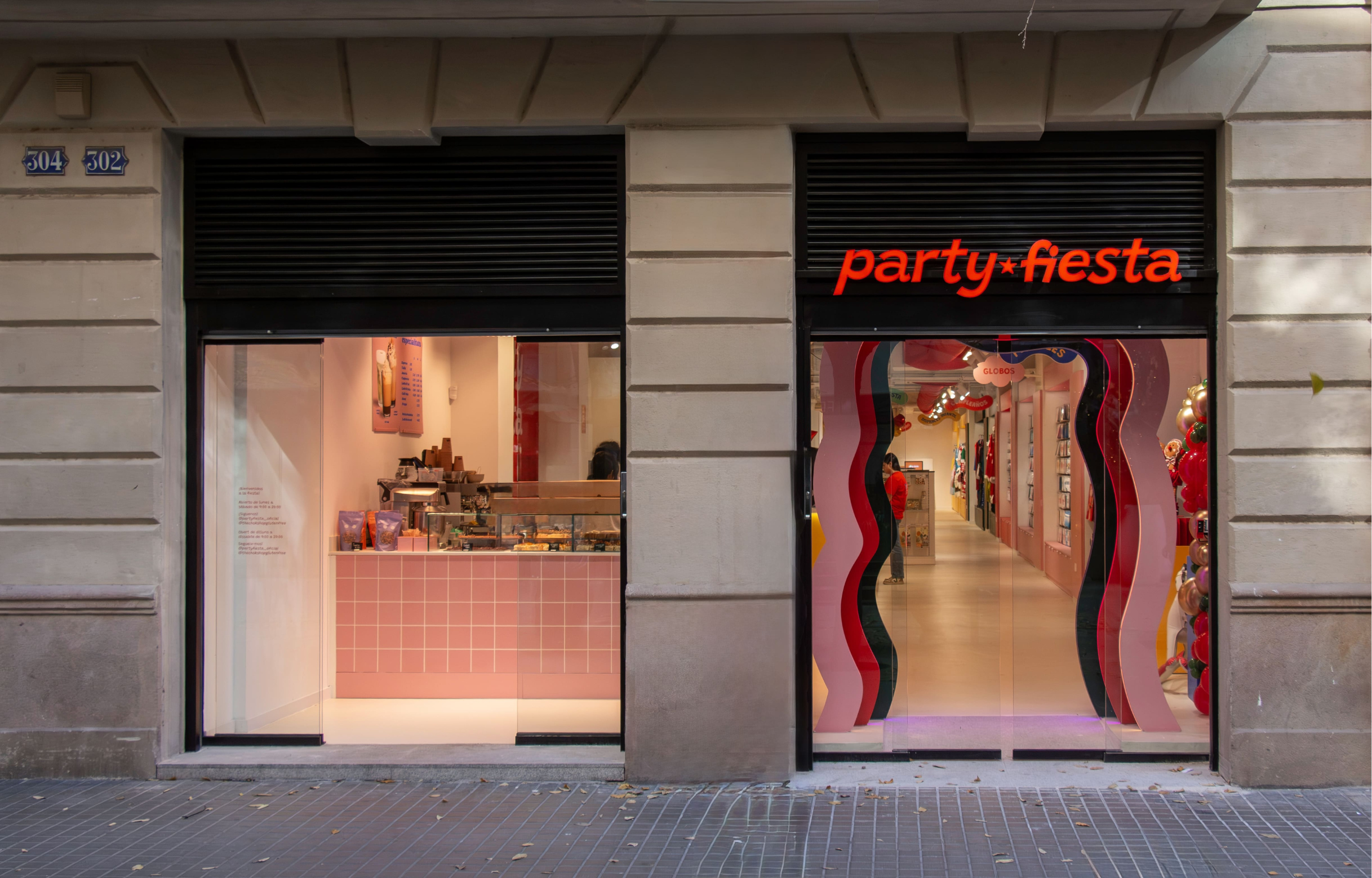
This case not only demonstrates the operational impact of RFID in complex retail environments, but also demonstrates how the technology can solve one of the industry’s most persistent problems: the lack of real inventory visibility.
For Kyubi System, having this project documented by a leading international publication such as RFID Journal represents significant recognition of the value and innovation of its end-to-end RFID solutions.

The importance of RFID Journal within the global RFID ecosystem
To understand the relevance of this publication, it is important to understand the role RFID Journal plays within the technology industry.
Founded in the early 2000s, RFID Journal has established itself as the most influential source of information on RFID technologies, logistics automation and intelligent traceability.
Its content is regularly consulted by:
- Operations managers
- Logistics managers
- Industrial engineers
- Technology integrators
- RFID hardware manufacturers
- Major international retailers
The journal publishes technology analyses, market reports and, in particular, case studies of real RFID implementations in leading companies.
For a project to be selected for publication in RFID Journal means that it:
- Represents an innovative implementation
- Generates measurable operational benefits
- Has relevance to the global marketplace
For this reason, the appearance of Kyubi System and Party Fiesta’ s project in this publication is an important recognition within the RFID industry.
Party Fiesta: a retail environment with high operational complexity
Party Fiesta is a leading European player in the party goods, fancy dress and themed decoration sector.
The company operates a wide network of corporate and franchised shops in different European countries, managing a product catalogue characterised by an enormous diversity and a strong seasonal variability.
Among the main features of its business model, the following stand out:
- Thousands of active SKUs in shop
- Constant rotation of assortment
- Highly seasonal products
- Highly concentrated peak demand on specific dates
Events such as Halloween, Christmas or Carnival generate extremely intense sales periods that require very efficient logistics management.
In this context, inventory accuracy becomes a critical factor for operational success.
However, as is the case in many retail organisations, traditional barcode-based systems and manual inventory processes have significant limitations.

The problem of phantom stock in retail
One of the biggest challenges for retailers is phantom stock, a phenomenon that occurs when the inventory system indicates that a product is available, but it is not actually physically in the shop.
This problem can arise for a number of reasons:
- Errors in replenishment processes
- Loss or theft
- Errors in manual inventories
- Failed sales recording processes
Phantom stock has a direct impact on retail profitability.
The main consequences of phantom stock include
- Unexpected stock outs
- Lost sales
- Poor customer experience
- Inefficiencies in the replenishment of product.
In environments with thousands of SKUs and high turnover, such as Party Fiesta‘s, this problem can become a major obstacle to operational efficiency.
Party Fiesta’s decision: to go with RFID
Faced with these challenges, Party Fiesta decided to adopt a technology capable of providing real-time inventory visibility at the unit level.
The solution chosen was the implementation of an RFID ecosystem developed by Kyubi System, an integrator specialising in end-to-end RFID solutions.
The objective of the project was to transform the shop into a smart retail environment where every product could be automatically identified and monitored.
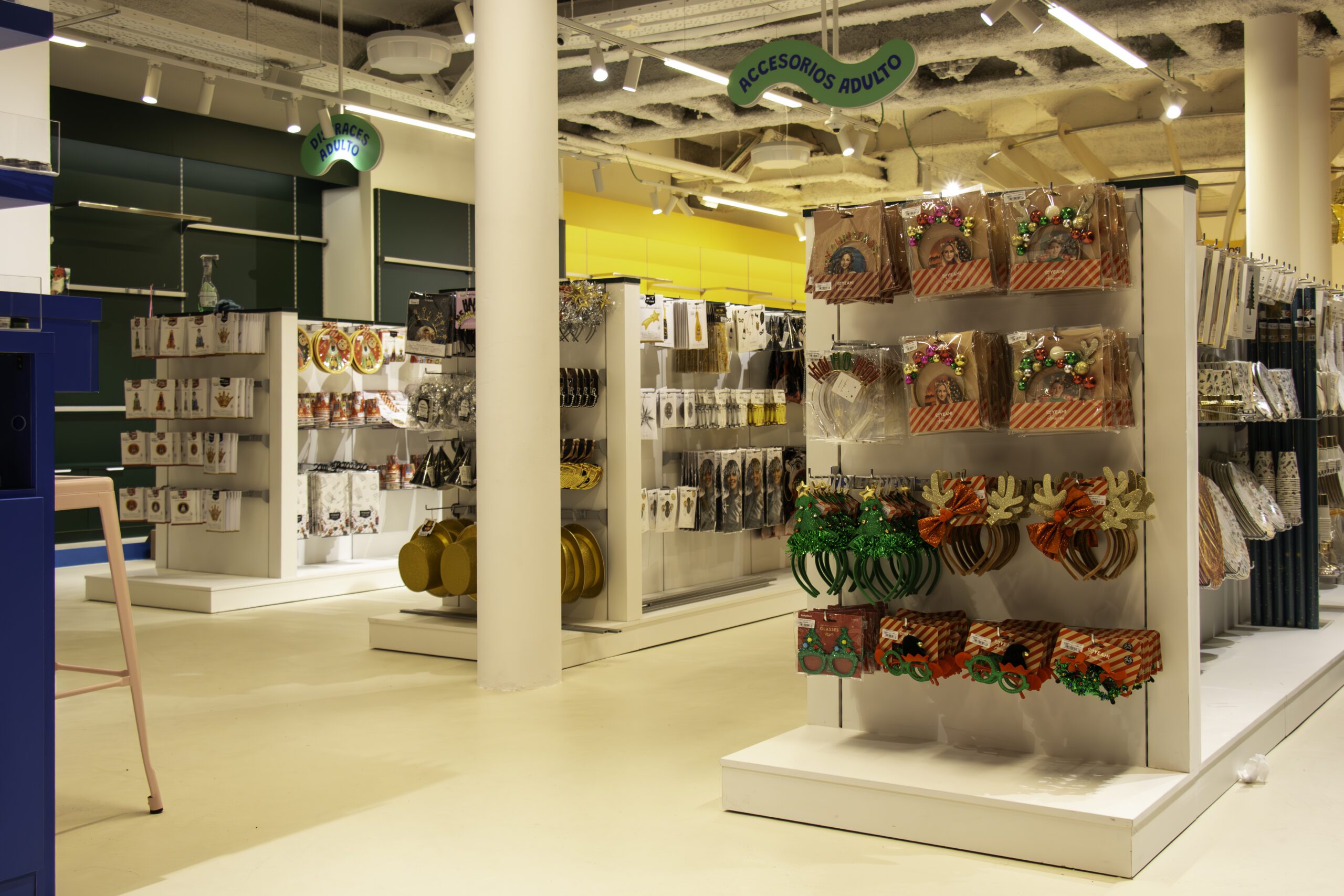
The implementation was carried out in Party Fiesta’ s flagship store in Barcelona, which became a technological laboratory for the development of a Retail 4.0 model based on RFID.
Vídeo del proyecto en entorno real de retail con tecnología RFID desplegada por Kyubi System.
Kyubi System: end-to-end RFID retail solutions
Kyubi System specialises in the design and implementation of complete RFID ecosystems, which integrate all the necessary elements for real-time data capture and management.
The company’s solutions combine
- High-performance RFID tags
- Fixed and overhead RFID readers
- Data capture infrastructure
- Inventory and management software
- Integration with enterprise systems
This approach enables organisations to implement RFID as a comprehensive and scalable solution, eliminating the complexity of integrating multiple technology vendors.
The primary goal of these solutions is to enable companies to:
- Eliminate inventory errors
- Reduce product losses
- Automate operational processes
- Obtain accurate data for decision making
A fully sensorised shop using RFID
For the Party Fiesta project, Kyubi System designed an RFID architecture that turns the shop into a fully sensorised retail environment.
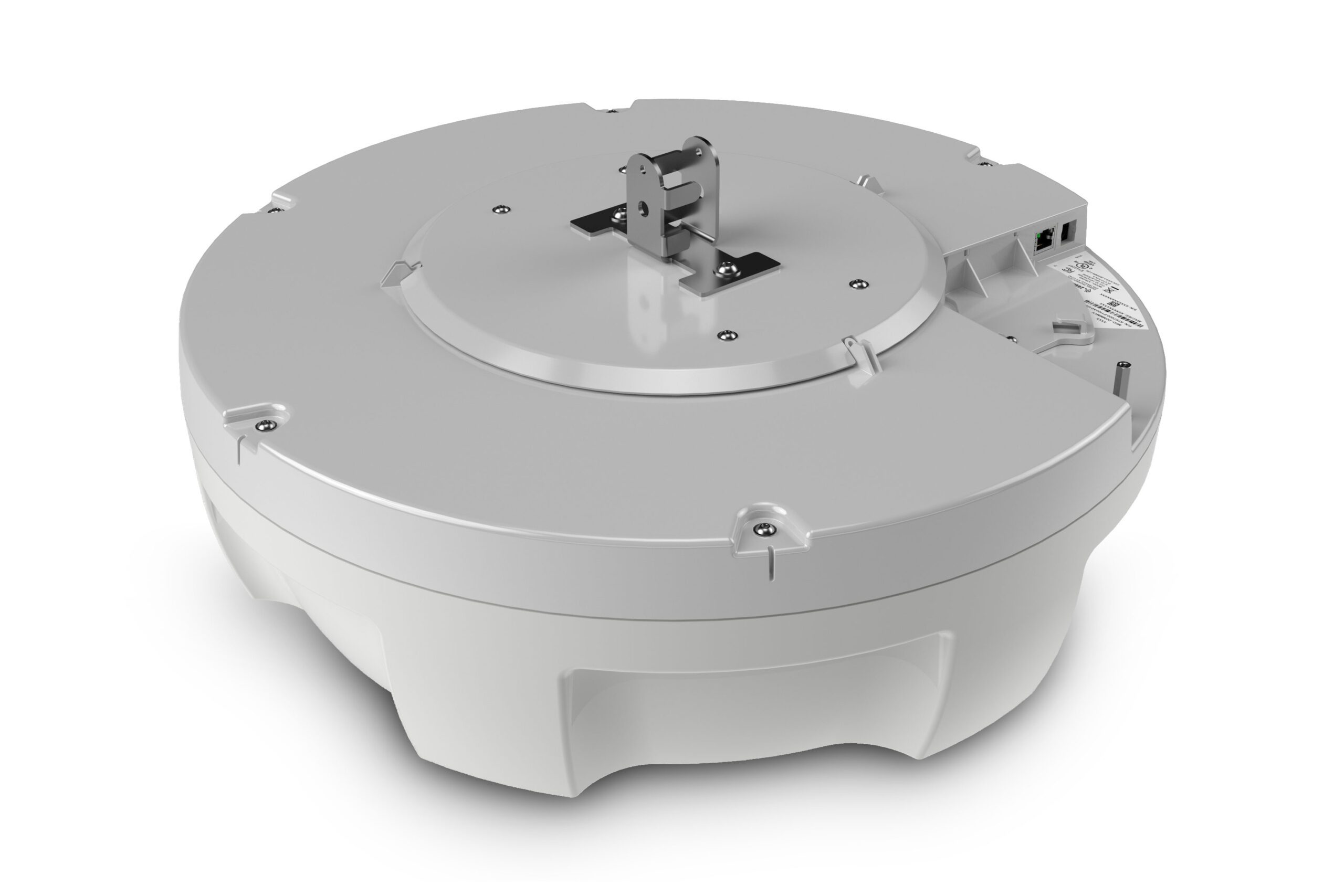
The implemented infrastructure includes Zebra Technologies ATR700 RFID readers, installed on the ceiling of the shop.

These devices allow for continuous monitoring of product movement within the retail space.
Their capabilities include
- Automatic reading of RFID tags
- Simultaneous identification of multiple products
- Detection of inventory movements
Thanks to this technology, the system can know at all times the location of products within the shop.
This eliminates the need for manual inventories and provides continuous visibility of inventory without staff intervention.
Product identification at unit level
Each item sold in the shop is equipped with an RFID tag based on the Impinj M700 platform, one of the most advanced RFID technologies on the market.
These tags enable extremely accurate data capture even in complex environments.
Its advantages include:
- High read sensitivity
- Compatibility with EPC Gen2 standards
- Excellent performance in high product density environments
Thanks to these tags, each product can be uniquely identified within the system.
This enables full traceability at unit level, a critical capability for modern retail.
Innovation at the point of sale with AIR! EASY Pay Table
One of the most innovative elements of the project was the implementation of the AIR! EASY Pay Table, a payment table based on RFID technology.
This system completely transforms the in-store checkout process.
The operation is extremely simple.
The customer places all products on the table surface and the system automatically identifies each item via RFID.
The process includes:
- Instant identification of all products
- Payment processing via NFC technology
- Automatic deactivation of security alarms
This model eliminates the need to scan individual products and significantly reduces checkout waiting times.
The result is a faster and frictionless shopping experience.

RFID as an advanced loss prevention system
In addition to improving inventory management, the RFID ecosystem implemented at Party Fiesta also acts as an advanced loss prevention system.
When a product leaves the shop without being properly processed at the point of sale, the system generates an automatic alert.
This mechanism provides real-time protection against shrinkage, one of retail’s biggest financial problems.
The combination of inventory visibility and outbound control allows for a significant reduction in product losses.
Operational results of the project
The implementation of the RFID ecosystem developed by Kyubi System generated immediate operational benefits for Party Fiesta.
Among the most relevant results are
- Real-time inventory visibility
- Elimination of phantom stock
- Significant reduction of stock outs
- Elimination of manual inventories
- Increased operational efficiency of staff
- Improved customer experience
In addition, the company gained a new level of data-driven operational intelligence, enabling faster and more accurate decision making.
RFID and the evolution to Retail 4.0
The concept of Retail 4.0 describes the evolution of retail towards highly connected digital environments.
In this model, technologies such as RFID, artificial intelligence and advanced analytics enable the integration of the physical and digital worlds.
The implementation at Party Fiesta positions the company within this new technological paradigm.
Thanks to real-time synchronisation between physical inventory and cloud systems, the company can enable advanced omnichannel models such as:
- Buy Online Pick Up In Store (BOPIS)
- Ship From Store
- Unified omni-channel inventory
These types of capabilities are critical to the future of retail.
Technological architecture of the RFID system implemented at Party Fiesta
The implementation at Party Fiesta ‘s flagship store in Barcelona was designed as a complete RFID ecosystem, where each technological component fulfils a specific function within the capture, processing and exploitation of inventory data.
Unlike RFID projects limited to handheld readers or periodic inventories, the solution deployed by Kyubi System was conceived as a permanent infrastructure that allows for continuous inventory monitoring.
The system architecture is based on four main technological layers:
- RFID tag identification
- Data capture infrastructure
- Processing platform and middleware
- Integration with enterprise systems
This model allows transforming the data generated by RFID tags into operational information useful for business management.
Impinj M700-based high-performance RFID tags
The first layer of the system consists of RFID tags installed in each product.
Each tag incorporates an RFID microchip based on the Impinj M700 platform, one of the most advanced technologies in radio frequency identification within the UHF standard.
These tags automatically identify products by means of a unique code called EPC (Electronic Product Code).
This identifier is linked to product information in the company’s management systems, including:
- Product SKU
- Category
- Shop location
- Inventory status
- Logistics information
Thanks to this architecture, each product unit can be individually tracked within the system.
The main advantages of Impinj M700-based tags include:
- High read sensitivity
- Excellent performance in high product density environments
- Compatibility with EPC Gen2 standards
- Capability for fast, simultaneous reads
These features enable near 100% accuracy levels in data capture, even in complex environments such as shops with thousands of items on display.
RFID reader infrastructure with Zebra ATR700
The second layer of the system is the RFID data capture infrastructure.
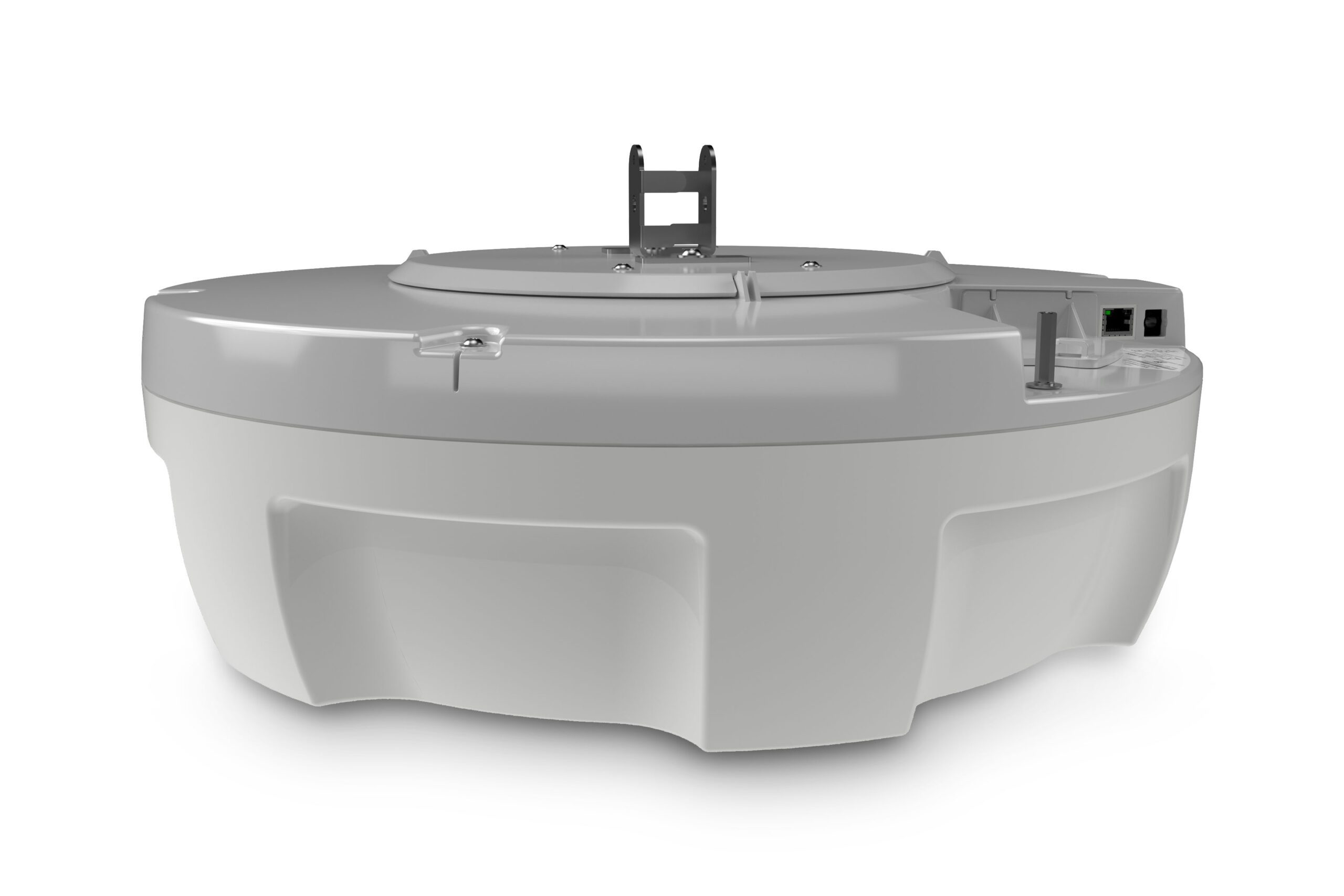
For the Party Fiesta project, Zebra Technologies ATR700 readers were installed, devices designed specifically for continuous monitoring applications in retail environments.
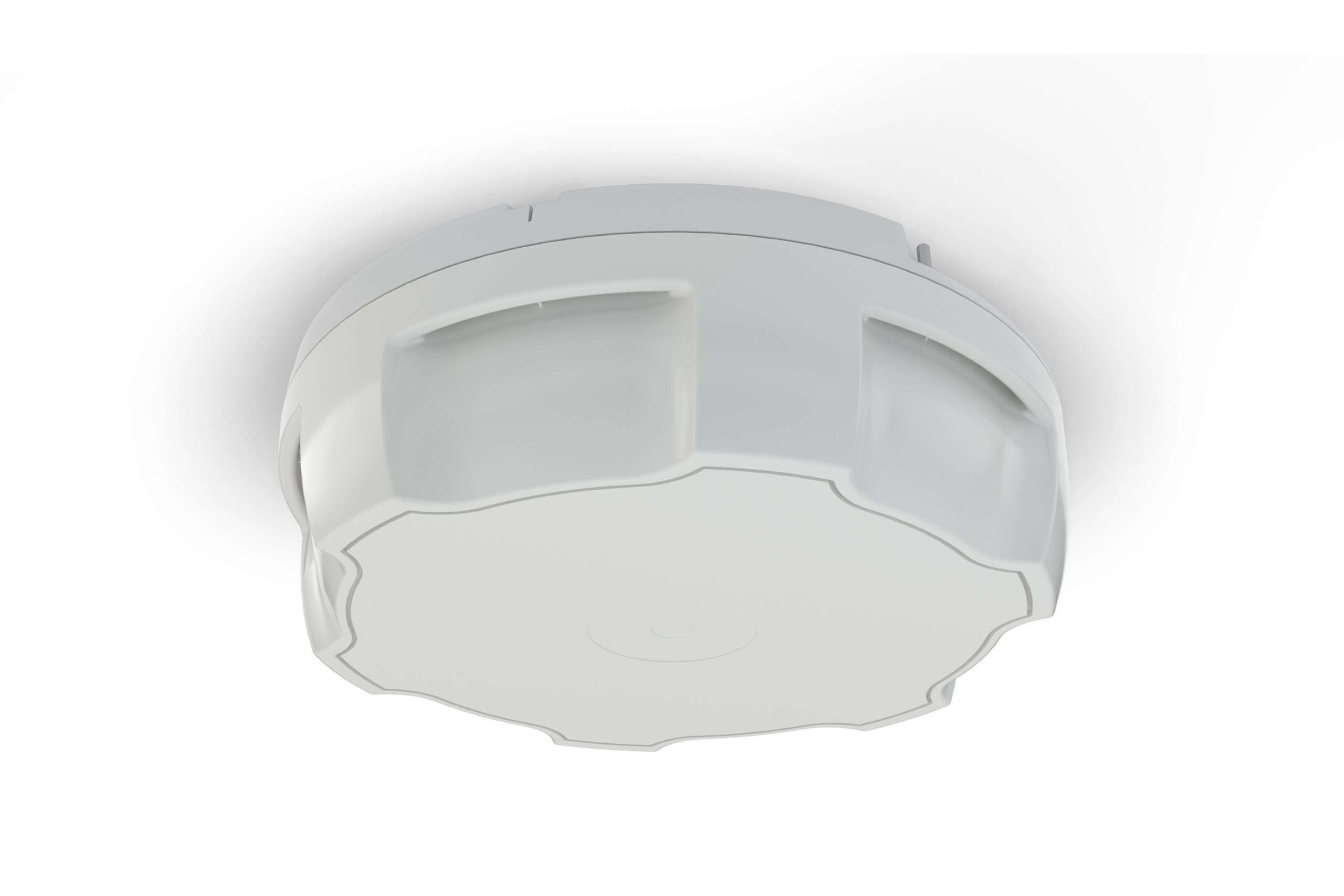
These readers were installed on the ceiling of the shop, creating an overhead reading infrastructure capable of automatically detecting the movement of products within the retail space.
The system can identify events such as
- Entry of new products into the shop
- Movement of items within the retail space
- Removal of products from shelves
- Exit of items at the point of sale
This infrastructure creates an environment where products can be permanently monitored without the need for human intervention.
Key capabilities of the Zebra Technologies ATR700 readers include:
- Wide read coverage
- Tag motion detection
- Simultaneous identification of multiple products
- Integration with advanced analytics platforms
With this technology, the shop can gain real-time insight into inventory status.
RFID middleware and event management
Once data is captured by RFID readers, it must be processed before being integrated into enterprise systems.
This process is done by an intermediate layer known as RFID middleware.
The middleware is responsible for:
- Filtering out duplicate reads
- Interpreting RFID events
- Validating the captured information
- Sending data to back-office systems
Without this technology layer, business systems would receive millions of reads without context.
Middleware transforms the readings into business events, for example:
- Product detected on shelf
- Product removed from inventory
- Product sold at point of sale
This process allows technical data to be converted into operational information.
Integration with business systems
The last layer of the RFID system is the integration with enterprise platforms.
The RFID ecosystem implemented in Party Fiesta can be integrated with different corporate systems, among them:
- ERP (Enterprise Resource Planning)
- WMS (Warehouse Management System)
- Inventory management systems
- Omni-channel platforms
This integration allows the physical inventory to be synchronised with the company’s digital systems.
As a result, the organisation can have accurate inventory information in real time.
This allows for improved processes such as
- Automatic replenishment
- Omni-channel order management
- Inventory planning
- Sales analysis
RFID vs. barcoding: key differences
To understand the impact of this technology in retail, it is important to analyse the differences between RFID and traditional barcode systems.
| Feature | Barcode | RFID |
|---|---|---|
| Simultaneous reading | No | Yes |
| Line of sight | Required | Not required |
| Reading speed | Low | Very high |
| Automated inventory | No | Yes |
| Individual identification | Limited | Complete |
These differences make RFID especially useful in high-volume product environments.
While barcoding requires scanning each item individually, RFID allows hundreds of products to be identified in seconds.
This completely changes the efficiency of operational processes.
Benefits of RFID in inventory control
The implementation of RFID in retail generates multiple operational benefits.
Among the most important of these are
- Increased inventory accuracy
- Reduced stock-outs
- Elimination of manual inventories
- Improved product replenishment
- Reduction of losses
These benefits translate directly into improved business profitability.
Inventory visibility enables more informed decision making and reduced operational inefficiencies.
RFID’s impact on the customer experience
In addition to improving internal processes, RFID also has a direct impact on the customer experience.
An accurate inventory system ensures that products are available when customers are looking for them.
Customer benefits include
- Increased product availability
- Faster checkout processes
- Reduced purchasing errors
- Smoother shopping experience
In an increasingly competitive retail environment, customer experience has become a critical factor.
The role of RFID in omnichannel
Omni-channel is one of the main challenges facing modern retail.
Customers expect to be able to interact with the brand through multiple channels:
- Physical shop
- E-commerce
- Mobile applications
- Marketplaces
For these models to work well, accurate inventory visibility is essential.
RFID allows physical inventory to be synchronised with digital systems.
This enables operating models such as:
- Online shopping with in-store pick-up
- In-store shipping
- Omni-channel returns
Without accurate inventory visibility, these processes can lead to errors and frustration for customers.
The ROI of RFID in retail
One of the most relevant issues for any company evaluating RFID implementation is the return on investment.
Although RFID implementation requires an initial investment, the operational benefits often quickly offset the cost of the system.
The main sources of return include
- Reduced inventory shrinkage
- Increased sales through increased product availability
- Reduced operating costs
- Improved staff productivity
Industry studies indicate that companies that implement RFID can improve inventory accuracy to levels above 95%.
This has a direct impact on revenue.
International recognition for Kyubi System
The publication of the Party Fiesta case study by RFID Journal represents significant recognition for Kyubi System.
The media carefully selects the projects it publishes, focusing on real-world implementations that bring value to the industry.
The fact that this project has been documented confirms that the implemented solution is a relevant example of how RFID can transform retail.
It also positions Kyubi System within the international ecosystem of RFID technology providers.

RFID implementation in retail: methodology for deploying a large-scale project
Implementing RFID technology in retail requires detailed planning that combines operational analysis, technology design and integration with enterprise systems.
Unlike other technologies, RFID affects multiple business processes, from logistics to the in-store shopping experience.
For this reason, RFID projects are usually developed following a structured methodology to ensure operational success.
The main phases of a retail RFID project include:
- Process analysis and operational diagnosis
- Technology architecture design
- Tag and hardware selection
- Integration with enterprise systems
- Pilot and operational validation
- Scaling to multiple shops
Each of these stages is critical to ensure that the technology delivers the expected impact.
Phase 1: Operational analysis and inventory diagnostics
The first step in any RFID implementation is an in-depth analysis of the organisation’s current processes.
This analysis identifies the main operational issues related to inventory management.
Among the aspects that are evaluated are:
- Current inventory accuracy
- Frequency of stock-outs
- Time spent on manual inventories
- In-store replenishment processes
- Integration with digital systems
In many retailers, initial diagnosis reveals inventory accuracy levels of less than 70%, leading to significant inefficiencies.
This analysis allows the RFID project objectives to be set.
Phase 2: RFID architecture design
Once the problem has been identified, the technological architecture of the system is designed.
This architecture must be adapted to the specific characteristics of the retail environment.
Factors considered include:
- Shop size
- Retail space layout
- Product typology
- Density of items on shelf
In the case of Party Fiesta, the architecture designed by Kyubi System included an overhead infrastructure with Zebra Technologies ATR700 readers capable of monitoring product movement within the shop.
This approach allows RFID events to be captured continuously.
Phase 3: RFID tag selection
The choice of RFID tags is one of the most critical elements of a project.
Not all tags work the same in all environments.
Factors to consider include
- Product material
- Item size
- Type of packaging
- Density of products on shelf
In the case of Party Fiesta, labels based on the Impinj M700 platform were used, which offer excellent performance in high product density environments.
These labels enable very high levels of accuracy in reading data.
Phase 4: Integration with enterprise systems
The true digital transformation occurs when the RFID system is integrated with the organisation’s enterprise platforms.
Typical systems that are integrated include:
- ERP
- WMS
- Inventory management systems
- Omni-channel platforms
This integration allows physical inventory to be synchronised with a company’s digital systems.
As a result, the data captured by RFID can be used to automate business processes.
Phase 5: Operational pilot
Before scaling up the implementation, companies often conduct a pilot in a shop or controlled environment.
This pilot allows validation of aspects such as
- Reading accuracy
- Antenna coverage
- Integration with existing systems
- Impact on operational processes
Party Fiesta ‘s flagship store in Barcelona acted as a pilot environment to validate the RFID ecosystem developed by Kyubi System.
This type of pilot allows the architecture to be fine-tuned before deploying the system on a large scale.
Phase 6: Full-scale deployment
Once the pilot has been validated, the solution can be deployed in multiple shops.
Scaling up requires a structured implementation plan including:
- Installation of RFID infrastructure
- Staff training
- Integration with corporate systems
- Performance monitoring
Modern RFID solutions are designed to be scalable, allowing the architecture to be replicated in multiple locations.
RFID and unit-level product traceability
One of the main advantages of RFID over other identification technologies is the possibility of unit-level traceability.
This means that each individual product can be identified within the system.
This capability allows you to answer key questions such as
- What products are available in shop
- Where they are located within the retail space
- When they have been sold
Traceability at unit level is fundamental to modern retailing.
It eliminates inventory errors and improves the efficiency of logistics processes.
How RFID eliminates phantom stock
Phantom stock is one of the most costly problems in retail.
When a system indicates that a product is available but in reality it is not, there are multiple negative consequences.
These include
- Lost sales
- Poor customer experience
- Inefficiencies in replenishment
RFID eliminates this problem because inventory is automatically updated every time a product moves within the shop.
Real-time visibility significantly reduces discrepancies between physical and digital inventory.
RFID’s impact on product replenishment
Product replenishment is another process that is significantly improved by RFID.
In many retailers, employees must walk around the shop to identify empty shelves.
This process is time-consuming and can lead to errors.
With RFID, the system can automatically detect when a product is out of stock.
This allows automatic alerts to be generated for shop staff.
As a result, replenishment becomes faster and more efficient.
RFID and retail data analytics
One of the less visible benefits of RFID is the generation of large volumes of operational data.
This data can be used to analyse inventory behaviour and optimise product management.
Some of the analyses that can be performed include
- Product turnover
- Average shelf life
- Demand patterns
This information enables more informed assortment and replenishment decisions.
Global trends in RFID retail
RFID adoption in retail has grown significantly over the last decade.
Major international companies are already using the technology in their operations.
Among them are:
- Zara
- Decathlon
- Walmart
- Nike
These companies have demonstrated that RFID can significantly improve operational efficiency and customer experience.
RFID as the technological foundation of Retail 4.0
The concept of Retail 4.0 refers to the integration of digital technologies in retailing.
In this model, technologies such as RFID, artificial intelligence and advanced analytics are combined to create intelligent retail environments.
The case of Party Fiesta demonstrates how RFID can act as a fundamental infrastructure for this new paradigm.
With real-time visibility of inventory, companies can optimise their operations and improve the customer experience.
The strategic value of publication in RFID Journal
The publication of Party Fiesta’ s case study in RFID Journal represents an important recognition within the technology industry.
RFID Journal is one of the world’s most influential media in RFID technology and smart logistics.
Its audience includes professionals from multiple industries.
Among them are
- Operations managers
- Industrial engineers
- Technology integrators
- RFID hardware manufacturers
Kyubi System’ s appearance in this media reinforces its position as a provider of advanced RFID solutions.
The implementation of RFID in Party Fiesta’ s flagship store demonstrates the potential of this technology to transform retail inventory management.
Thanks to the ecosystem developed by Kyubi System, the shop has evolved towards a Retail 4.0 model based on real-time visibility, operational automation and full product traceability.
The recognition by RFID Journal confirms the relevance of this project within the global ecosystem of RFID technologies.
Do you suffer from phantom stock in your shops?
Find out how an RFID solution can help you improve inventory visibility, reduce stock-outs and optimise your retail operations.